


Erebuni: Historical & Archaeological Museum
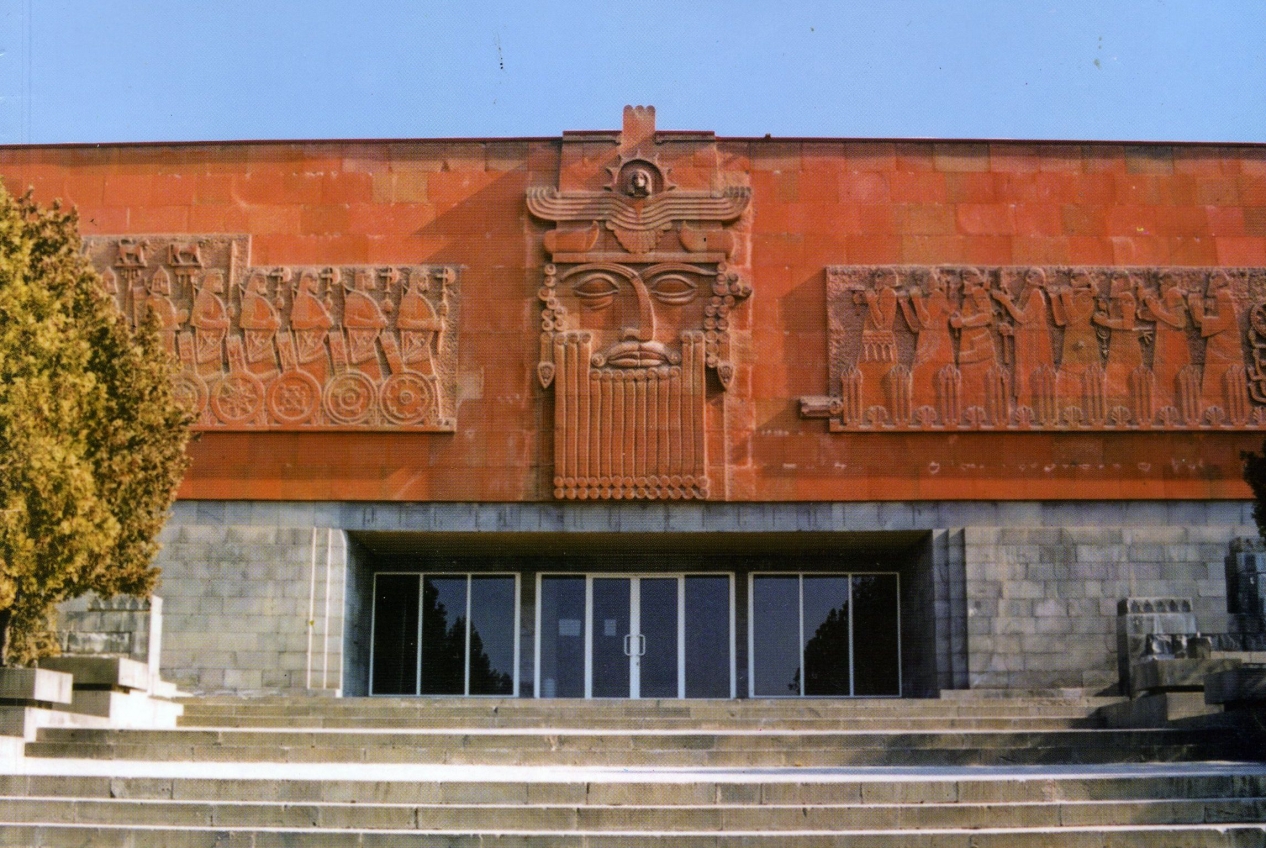
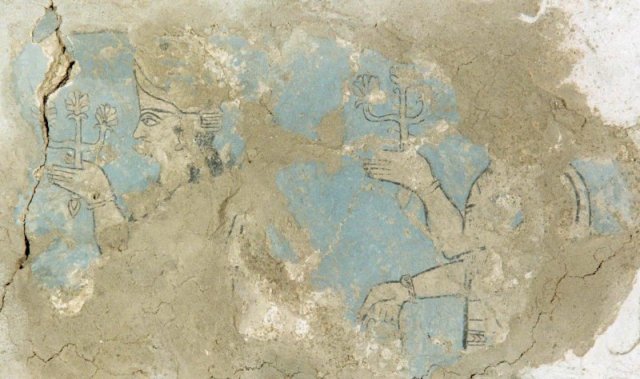
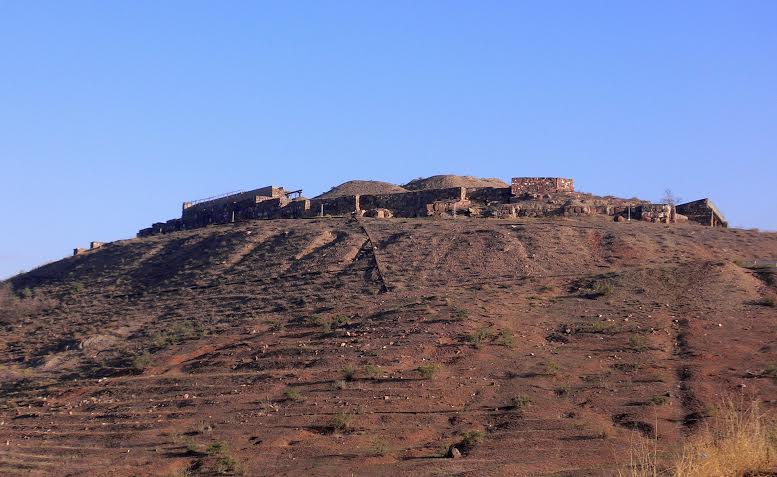
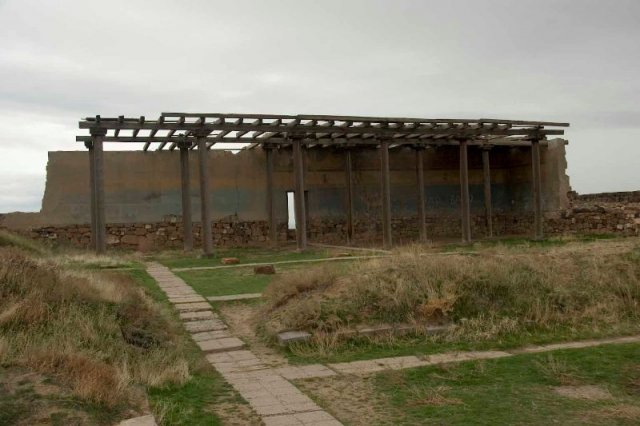
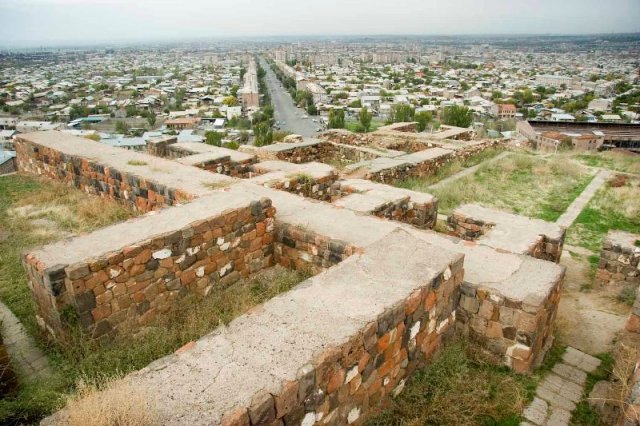
Erebuni Fortress also known as Arin Berd is a fortified city from the ancient kingdom of Urartu, located in what is present-day Yerevan, Armenia. It was one of several fortresses built along the northern Urartu border and was one of the most important political, economic and cultural centers of the vast kingdom. The name Yerevan itself is derived from Erebuni. Erebuni was founded by King Argishti I (r. ca. 785–753 B.C.) in 782 B.C. It was built on top of a hill called Arin Berd overlooking the Arax! River Valley to serve as a military stronghold to protect the kingdom's northern borders.
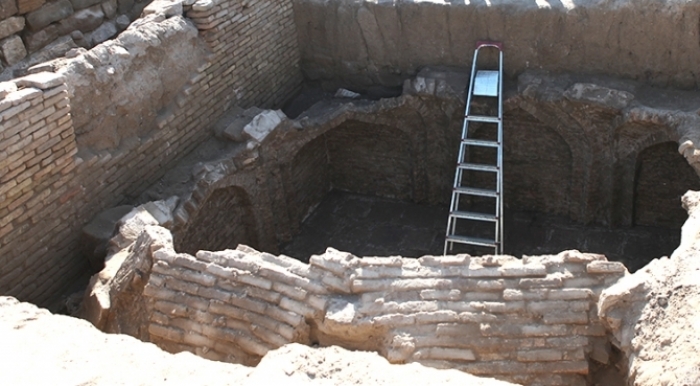
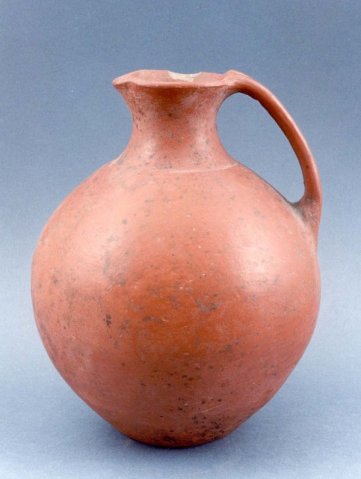
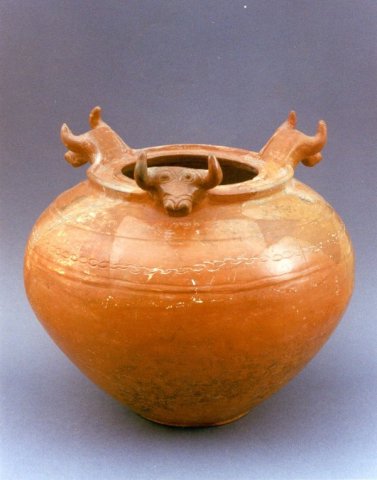
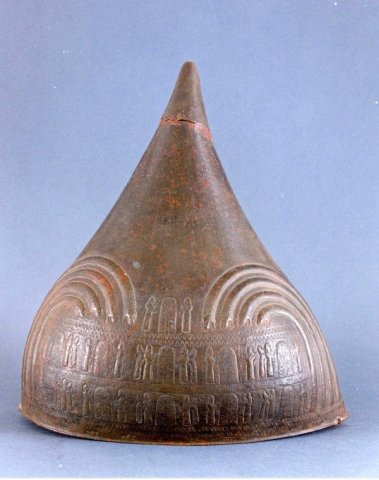
Five barns, six wine cellars, with almost 200 huge jars, have been excavated, some with cuneiform and hieroglyph marks indicating their capacity. The economic section, on the eastern side of the square, was liable to alterations. Excavations confirm that the big palace hall had existed from the very beginning, but was later transformed into a cellar. Many archeological findings, such as different kinds of arrows, blades, crucibles, molds, iron jewelry (bracelets, rings etc.), beads and horse bridles have been found from the excavations in Erebuni. Cylindrical or cone-shaped seals and weights made of stone, bronze or gold have also been discovered. They had economical, as well as informational and some religious meaning.
Gallery
http://www.eltravelclub.am/en/attractions/museums-galleries/item/231-erebuni-historical-archaeological-museum#sigProIdf589195225